
Blog
Doing Business with Vietnamese Agricultural Products: A Promising but Demanding Path

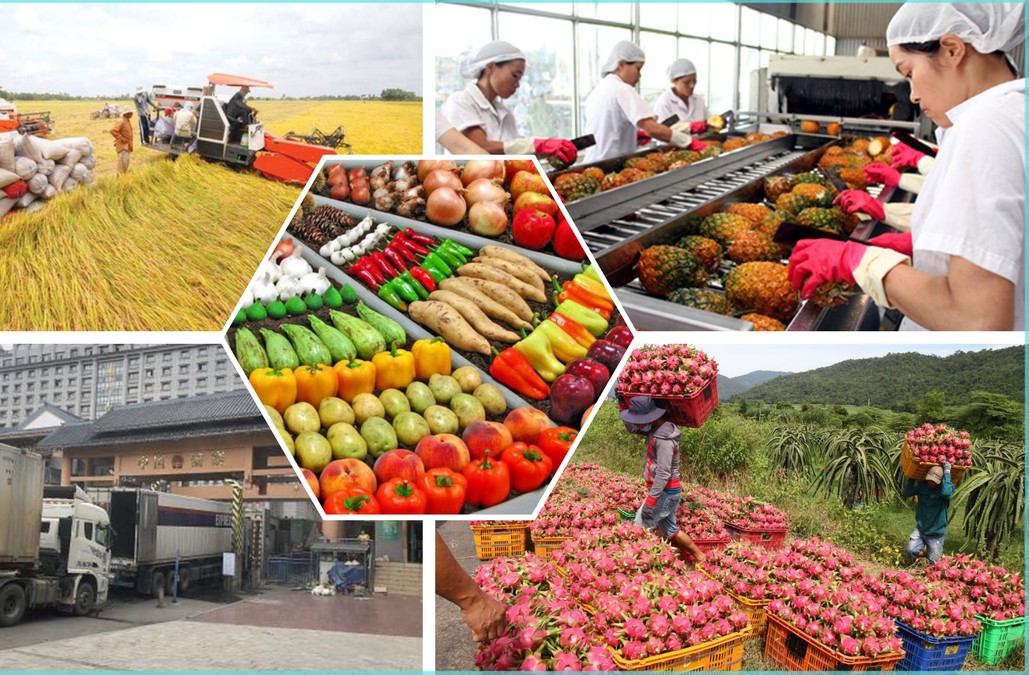
Vietnam — a traditionally agricultural country with a long history of farming and exporting — is stepping into a new era where agriculture is not just about survival, but a viable and profitable business opportunity. However, making money from agricultural products today is no longer about “growing and selling whatever you can,” but about strategic thinking, innovation, and long-term planning.
Abundant supply and biodiversity: From tropical fruits (mango, dragon fruit, durian) to industrial crops like coffee, pepper, and cashew nuts — Vietnam has a wide range of high-demand products. Several of them rank among the top in global export volume.
Expanding consumption markets: In addition to a domestic market of nearly 100 million people, Vietnam enjoys access to large foreign markets thanks to trade agreements like EVFTA, CPTPP, and RCEP — creating tariff advantages and improved market access.
Global consumer trends favor Vietnamese products: Increasing demand for natural, organic, and traceable products worldwide fits well with what Vietnam can offer — if managed properly.
Inconsistent quality: Fragmented and small-scale production systems make it difficult to ensure consistent quality — a major barrier to exports and brand development.
Price volatility and seasonal risks: Agricultural business is vulnerable to weather, pests, and shifting markets — requiring resilience and strategic foresight.
Technical barriers from import markets: Developed markets like the EU, Japan, and the U.S. impose strict standards on hygiene, traceability, environmental and social responsibility.
The EU and US markets offer immense opportunities but also significant challenges for Vietnamese agricultural products. With the right strategies—improving product quality, meeting international standards, and building strong brands—Vietnam can solidify its position on the global agricultural map. Now is the time for Vietnamese businesses to leverage trade agreements and consumer trends to take their agricultural products to new heights.
No account yet?
Create an Account